Portable leak detector: how it works and why it is useful
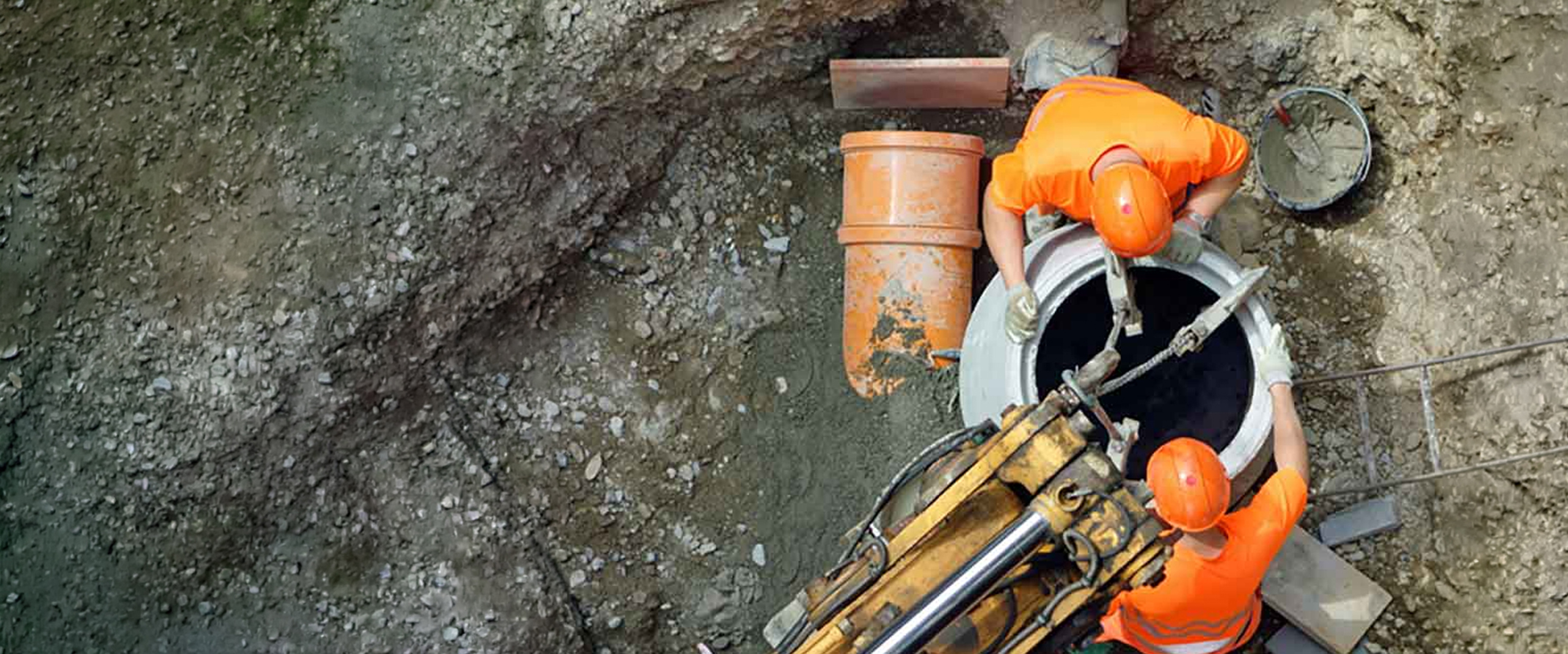
In the world of safety at work , prevention is everything. In industrial environments, chemical plants, construction sites or confined spaces, a gas leak can turn into a serious danger for workers' health and for the surrounding environment. This is why the use of a portable gas leak detector is not only recommended, but often required by law.
These compact yet high-tech devices are designed to provide a continuous and real-time protection , allowing operators to detect the presence of toxic gases , flammable or oxygen deficiency before they can cause irreparable damage.
Types of gas detectors and their uses
There are mainly two categories of portable gas detectors:
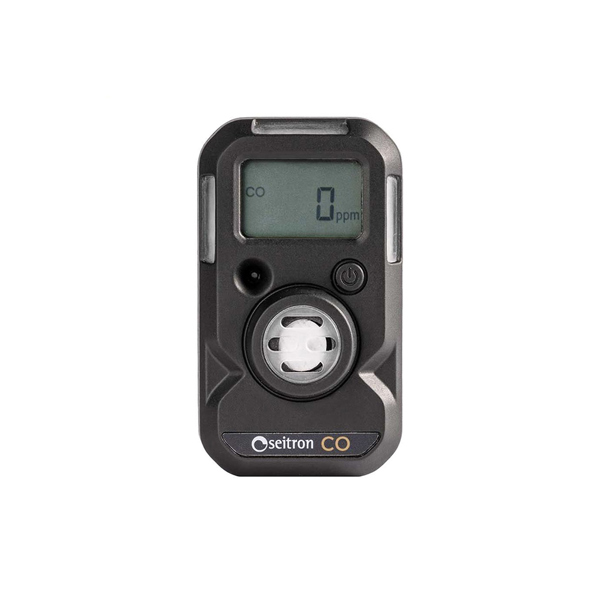
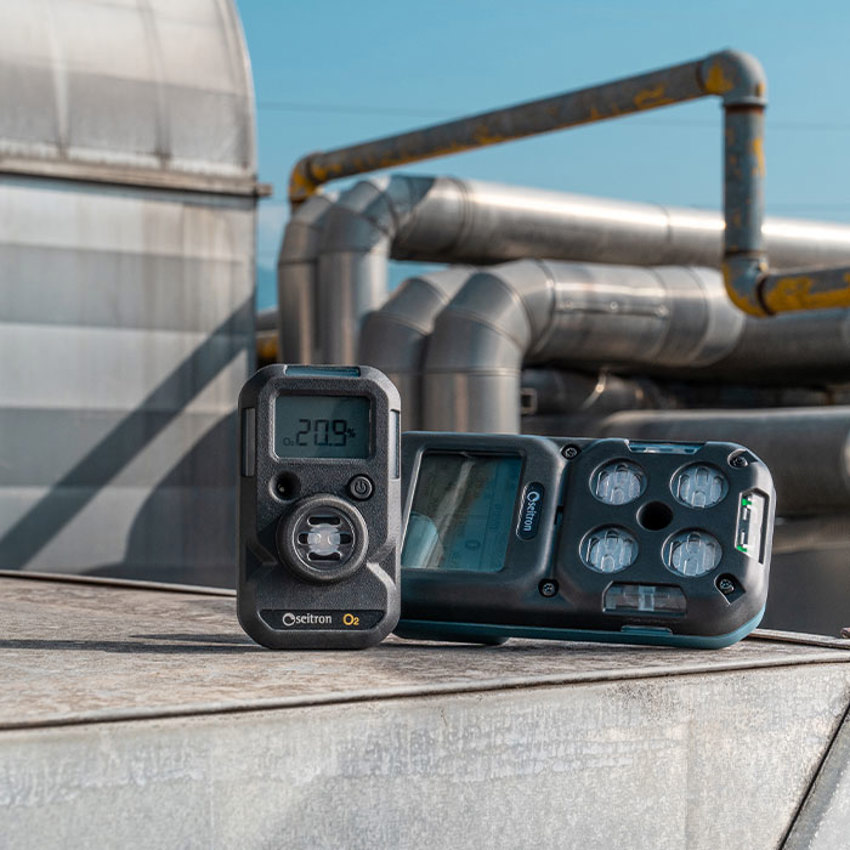
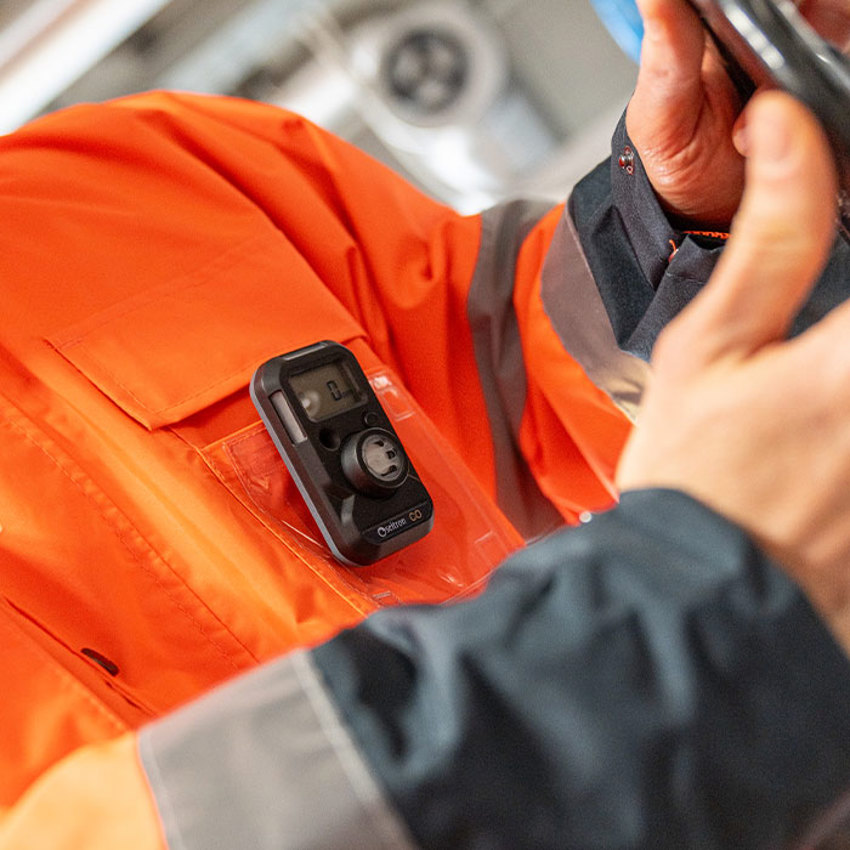
- Single gas detectors : designed to monitor a single type of gas, such as carbon monoxide (CO), hydrogen sulfide (H₂S) or oxygen (O₂), like the model Be safe SG . They are ideal for environments where the specific risk is known.
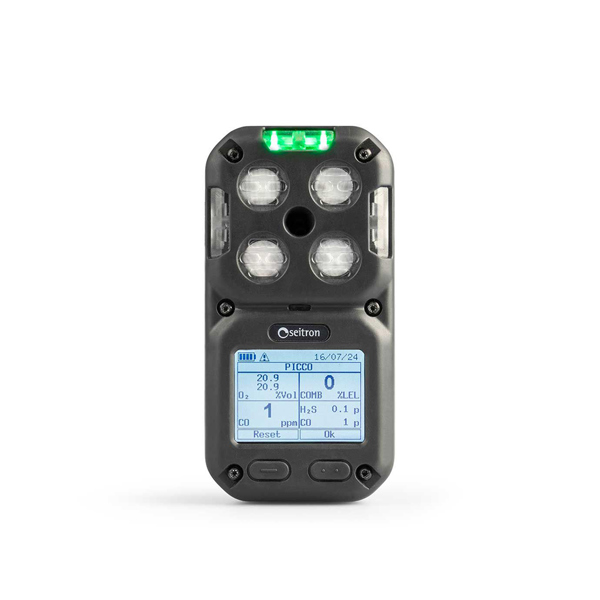
- Multigas detectors : capable of detect several gases simultaneously . An example is Be Safe MG , which can monitor up to four gases simultaneously . These devices are perfect for complex and variable environments, such as sewers, tanks or industrial sites such as in the petrochemical, mining or naval sectors.
For further information: How to protect yourself from H2S gas?
How does a portable gas detector work?
A portable detector is equipped with electrochemical, catalytic or infrared sensors , which constantly analyze the surrounding air. When the device detects a gas concentration above preset safety limits, it emits an audible, visual and vibrating alarm signal.
These instruments are battery powered and often equipped with a digital screen, data logger function (for data recording) and wireless connectivity for remote monitoring.
The most common sensors are :
- Oxygen (O₂): detects oxygen deficiencies or excesses, essential in confined environments.
- Flammable gases (LEL): detects the risk of explosions.
- Toxic gases (CO, H₂S, NH₃, Cl₂): indicates levels dangerous to health.
For further information: The most dangerous gases for humans
Where and when is a portable detector used?
The use of a portable detector is crucial in many situations:
- Access to confined spaces (tanks, silos, tunnels)
- You work in power plants o petrochemical plants
- Maintenance of gas systems or industrial
- Operations in sewerage and purification sectors
- Interventions in areas at risk of explosion (ATEX)
Regulations and certifications to consider
A good detector must be certified according to current regulations , as ATEX for environments at risk of explosion, and IECEx . Furthermore, it is important that it is easily calibrated and maintainable to ensure always reliable performance.
Using a portable gas leak detector is not just a security measure : it is an investment in workers' health , on operational continuity and on compliance with regulations . For those who work on a construction site, in an industrial plant or in the service sector, always have a device like the Be Safe MG multigas detector , or the models single gas Be Safe SG , can make the difference between a safe environment and an avoidable risk.