Micromanometer: what it is and how many times it must be calibrated
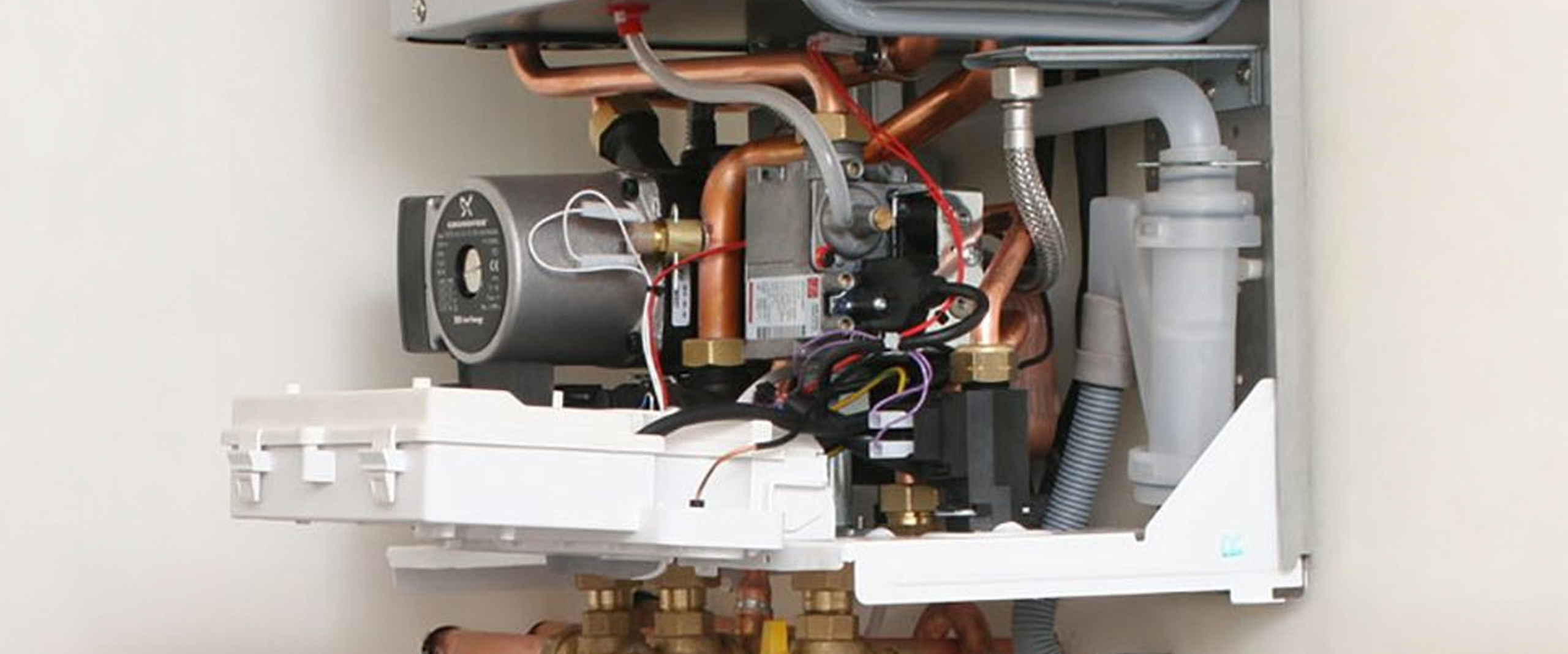
The micromanometer is a fundamental instrument in the field of pressure measurement, and its sensitivity and precision make it indispensable for ensuring optimal performance and safety in industrial and domestic systems.
What is a micromanometer?
Let's start with another question, why is it called pressure gauge ? The term "manometer" comes from the Greek word “ manos ”, meaning “little dense”, and “ metron ”, meaning "meter". So, literally, a pressure gauge is a instrument for measuring the slightly dense and in fact it is used to measure the pressure of gases and liquids.
To be more precise the pressure gauge measures the pressure difference between two fluids or between two different points of the same fluid . Unlike standard pressure gauges, which can measure pressure in units such as psi or bar, micromanometers are designed to be extremely sensitive and measure pressure on a much smaller scale.
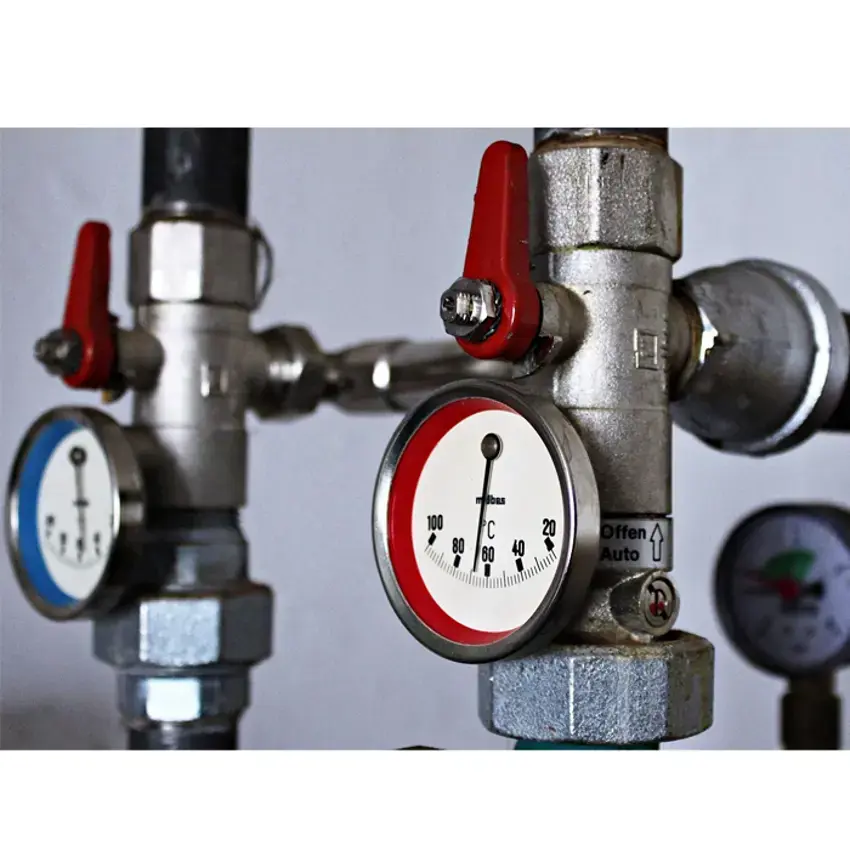
The pressure gauge's unit of measurement depends on the type of pressure it is measuring . For example, if the gauge is measuring air pressure, it might use units such as the aforementioned psi (pounds per square inch) or bar. If you are measuring water pressure, you might use units such as millimeters of water (mmH2O) or kilograms per square centimeter (kg/cm2).
Operation of a pressure gauge
The operating principle of a pressure gauge is quite simple, it is a sensitive element that deforms when stressed by the pressure exerted by the fluid of interest.
There are several ways in which this can be achieved, from the deformation of a membrane, to the piezoelectric response of specific materials. Based on the method used we will have different types of pressure gauge : U, Bourdon, diaphragm, piezoelectric. Furthermore we can find analog or digital pressure gauges depending on whether the mechanical signal is transformed into an electronic signal or not. But, regardless of the type of pressure gauge, the purpose is always to measure the pressure difference between the process fluid and the atmospheric pressure at the reference point.
From this point of view the micromanometer Pressotest 100 by Seitron is no exception. In fact, it is a tool designed for use in hydraulic systems. Pressotest 100 can carry out measurements of gas pressure in the network , pressure loss in the pipes , efficiency of chimneys , pressure in the combustion chamber , differential pressures on the filters .
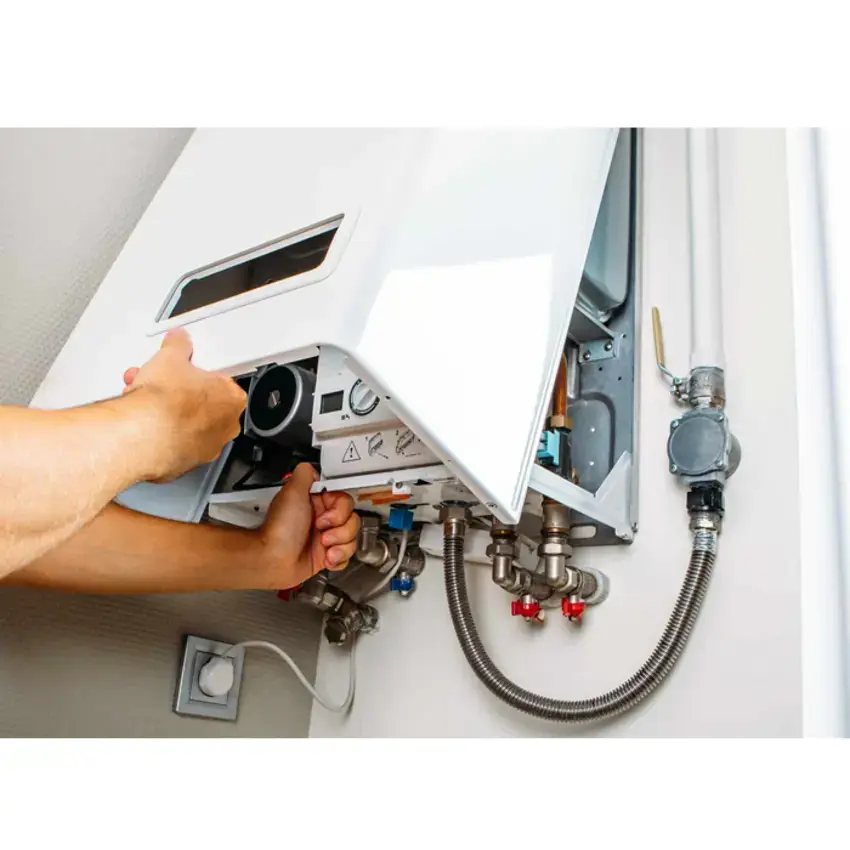
Should the Seitron micromanometer be calibrated every year?
The short answer is yes, but let's look together at the importance of calibration and calibration.
The Pressotest 100 micromanometer leaves the factory accompanied by a certificate attesting to the quality of the test and the correspondence of the declared precision compared to a standard instrument whose calibration is traceable to an international standard. Upon request, a calibration certificate with individual calibration values reported. The recommended recalibration period under normal conditions is 12 months , and it is essential to ensure that the measurements returned by the instrument are always precise and reliable over time.