Where is carbon monoxide found: prevention and risks
In a previous article we explained what carbon monoxide is , how it is formed, what can be the sources from which it emanates and from what its dangerousness . In this post we will therefore focus on some prevention indications from effects of carbon monoxide and health risks.
What the legislation provides
As we saw in the previous post, carbon monoxide is released following combustion, the legislation to which we must refer is therefore that which regulates the safety of systems and in particular the Decree of 22 January 2008, n. 37 which reorders the provisions regarding the installation of systems inside buildings . Furthermore, the technical safety standards of the Italian Unification Body (UNI) and the Italian Electrotechnical Committee (CEI) must be respected. It is therefore essential that for our system the appropriate declaration of implementation has been issued by authorized parties, according to the "rules of the art" and of conformity of the systems with current legislation.
Carbon monoxide: 5 tips for prevention
Prevention is better than cure: an obvious phrase, which however, especially in the case of carbon monoxide, is fundamental. In fact, being odourless, colourless, tasteless and non-irritating, it is impossible to notice the presence of CO in the environment , and it is therefore essential to take every precaution to minimize the risks. Even if our system is up to standard, distractions or inappropriate behavior can always occur. Here are some tips against CO leaks:
- Subject the heating systems to regular maintenance by qualified personnel
- Do not turn on the engines of cars, motorbikes, etc. inside closed spaces such as the garage
- Never use cooking systems designed for the outdoors , such as camping stoves or barbecues, in enclosed spaces
- Ventilate the rooms often if stoves or fireplaces are used.
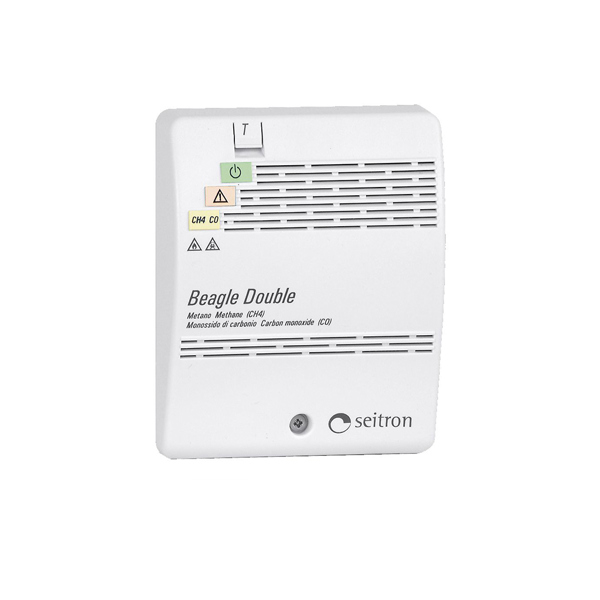
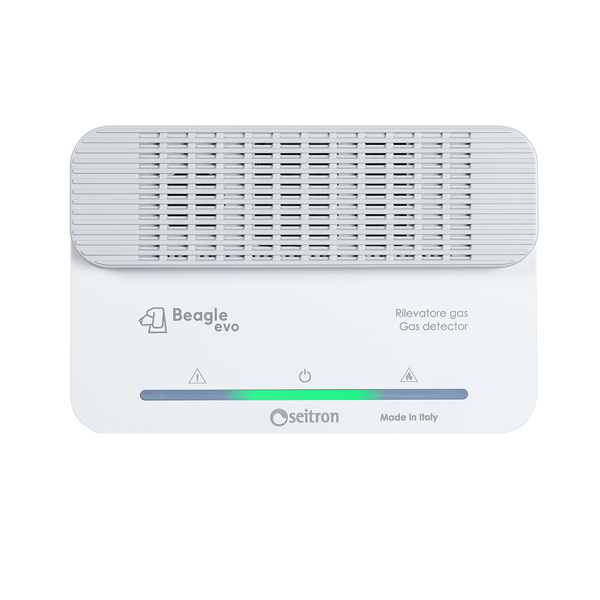
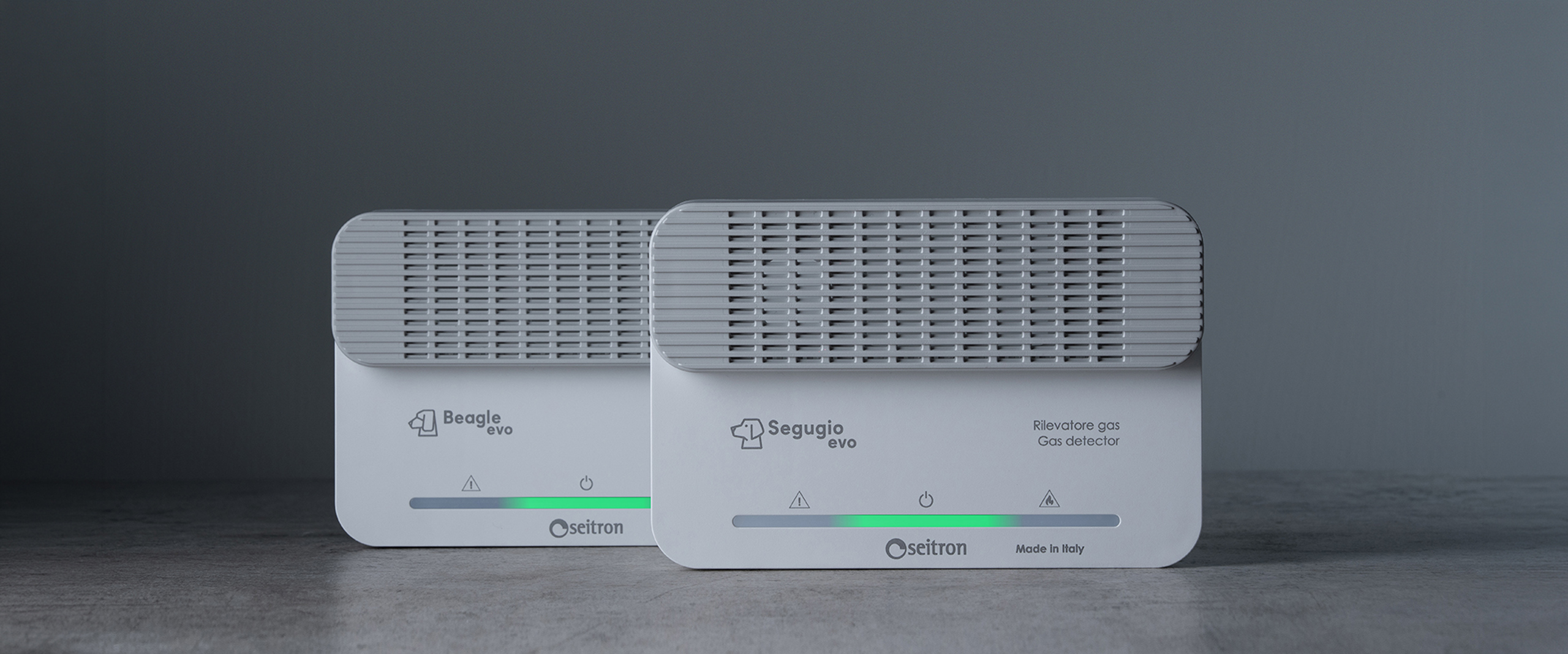
- Use carbon monoxide detectors , installing them in strategic points of the house.
Where to install the carbon monoxide detector?
A carbon monoxide detector is a vital tool for home security. But where to install the carbon monoxide detector for optimal protection?
- Close to combustion systems (stoves, boilers, fireplaces, gas water heaters).
- In the kitchen , if gas stoves are used.
- In the garage , if vehicles with combustion engines are parked.
The installation must take place at least 1.5 meters above the floor , avoiding blind corners and areas with poor ventilation
The effects of carbon monoxide on health
But what are the health risks from inhaling CO ? The danger of this gas for humans lies in its ability to bind to hemoglobin forming a molecule, carboxyhemoglobin , more stable about 200-300 times compared to that formed by hemoglobin and oxygen.
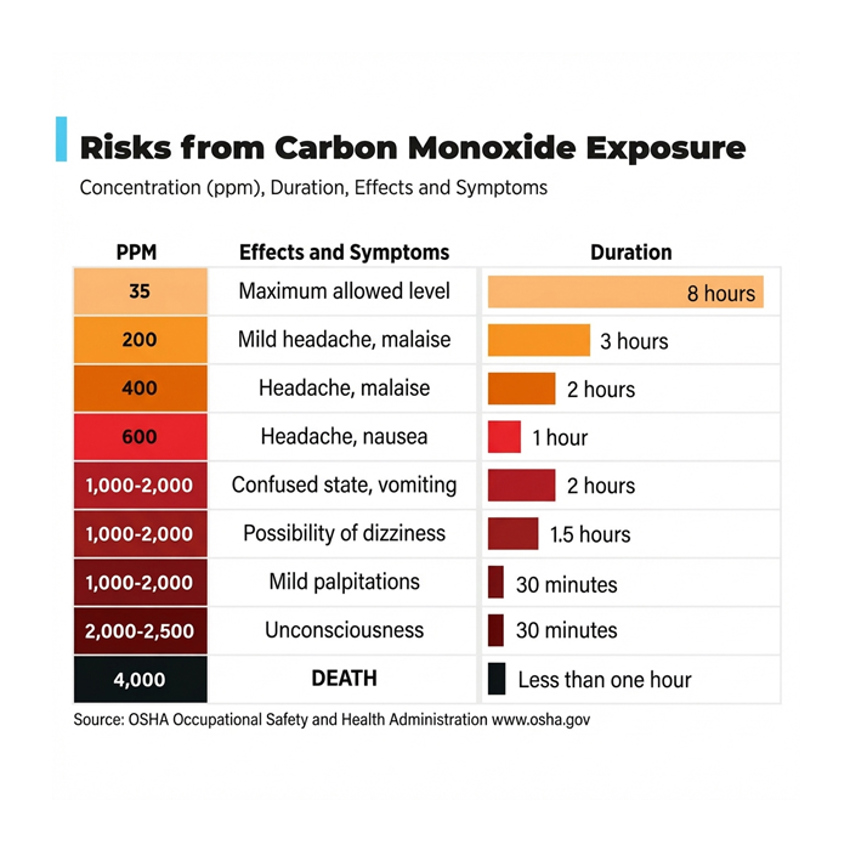
A high concentration of CO in the organism therefore brings with it a decrease in oxygen transport. Consequently, the longer you are exposed to carbon monoxide, the more the effects and disorders caused by intoxication will worsen, which include:
- Headache
- Confusion and disorientation
- Dizziness and weakness
- Altered vision
- Nausea and vomiting
Particularly high concentrations can cause coma and death by asphyxiation .
Which stoves produce carbon monoxide?
The carbon monoxide is formed from the incomplete combustion of fossil fuels. Which stoves produce carbon monoxide? Here are the main devices to monitor:
- Gas stoves
- Wood or pellet stoves
- Fireplaces not ventilated properly
- Malfunctioning gas water heaters
- Braziers and barbecues used indoors
To reduce the risk of exposure, it is essential to ensure periodic maintenance and adequate ventilation of the rooms .
What to do in case of CO poisoning
In the case of carbon monoxide poisoning it is essential act promptly:
- Call emergency medical help immediately.
- Ventilate the environment , opening windows and doors to encourage air exchange.
- Immediately turn off any operating combustion devices.
- Leave the environment as soon as possible and move away from the source of CO.
- Contact a specialized technician to identify the cause and resolve the problem.
Prevention is the most effective weapon against the effects of carbon monoxide. Following these guidelines and installing a carbon monoxide detector can make the difference between safety and danger.
If you want to learn more about the topic, consult our articles dedicated to carbon monoxide prevention and home security systems.