The most dangerous gases for humans
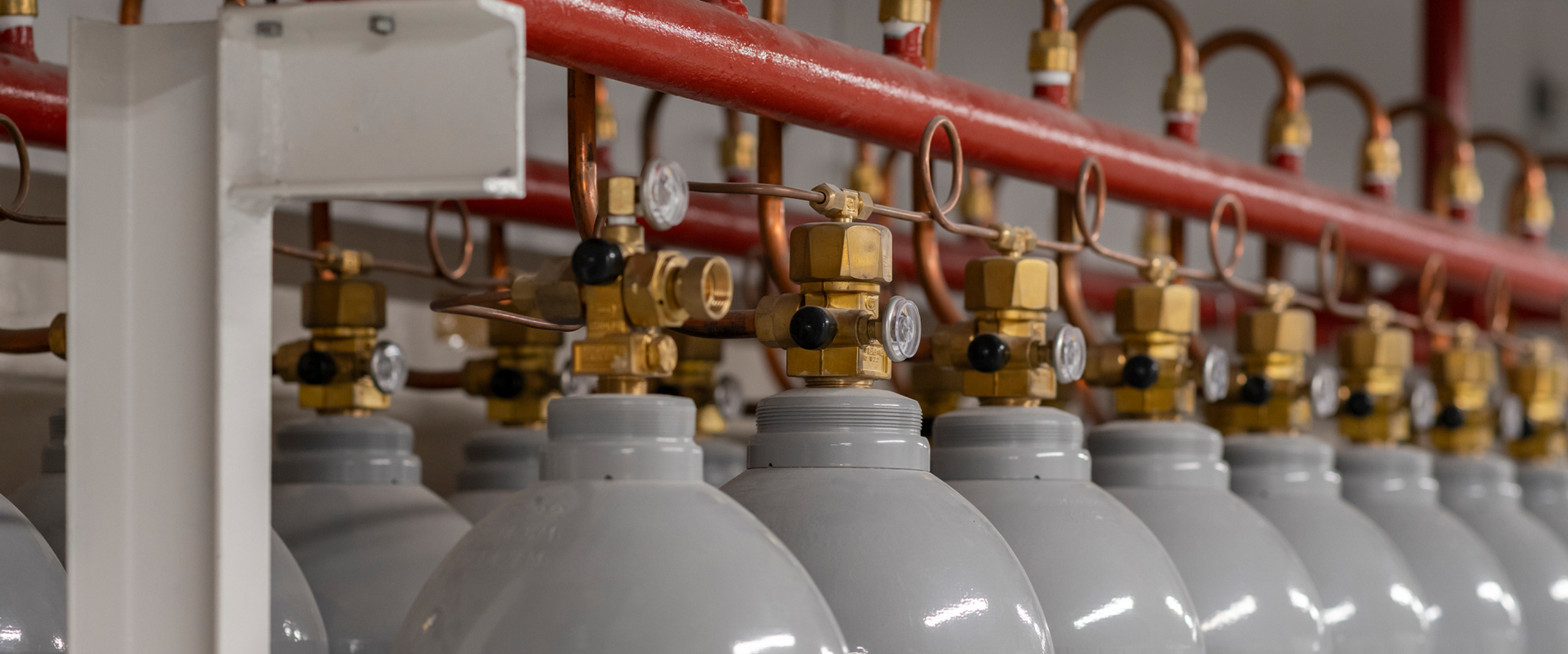
There are numerous gases which, in certain concentrations, can be potentially lethal to humans. Most often these gases are found in industrial environments , but there are some, such as the carbon monoxide (CO), which can also threaten within the household . Let's see some of the more dangerous types of toxic gases is the solution offered by Seitron to increase worker safety.
6 of the most dangerous gases for humans: characteristics and risks
Here are some of the most dangerous gases for health :
1. Gas CO (carbon monoxide)
The carbon monoxide is a gas colorless and odorless , extremely dangerous because it binds to hemoglobin in the blood, preventing the transport of oxygen. It is produced by the incomplete combustion of materials such as gasoline, wood, coal and natural gas. CO poisoning can cause headache, dizziness, nausea and, in severe cases, death . You can learn more with this article dedicated to prevention and risks related to CO: Effects of carbon monoxide .
2. NO2 gas (nitrogen dioxide)
The nitrogen dioxide is a red-brown gas with a pungent and acrid odor. It is mainly produced by vehicle emissions and industrial combustion plants. Exposure to NO₂ can cause serious breathing problems and lung damage, and is particularly dangerous for those suffering from respiratory diseases.
3. SO2 gas (sulphur dioxide)
The sulfur dioxide is a colorless gas with a strong burning odor suffocating. It is emitted by the burning of sulphur-containing fossil fuels, copper mining or volcanic activity. SO₂ can cause irritation to the eyes, skin and respiratory tract, leading to acute pulmonary edema. Prolonged exposure can be fatal.
4. H2S gas (hydrogen sulfide)
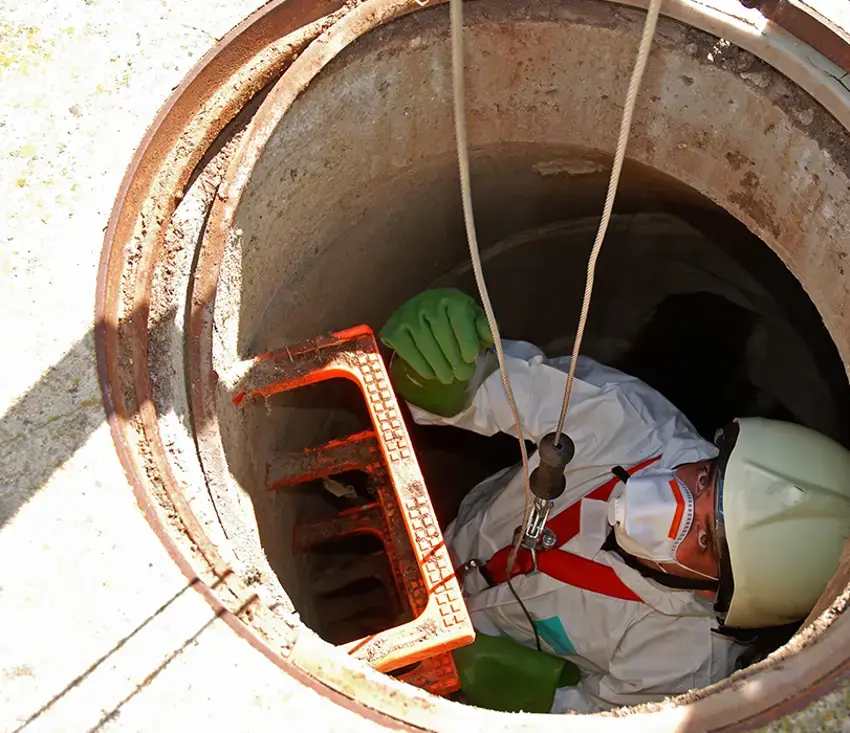
The hydrogen sulfide is a colorless gas with a characteristic smell of rotten eggs . It highly toxic and can cause respiratory failure and death at high concentrations. It is released during oil and natural gas extraction , in wastewater treatment, in sewers. To learn more about the dangers associated with this gas, you can read: H2S, what it is and how to protect yourself .
5. NH3 gas (ammonia)
ammonia is a colorless gas with a pungent, irritating odor . The use of ammonia is extremely widespread and is present in many industrial products, in the most diverse fields, from agriculture, as a fertilizer, to cleaning products, from refrigeration, as a refrigerant fluid, to painting. Exposure to ammonia can cause chemical burns , respiratory problems and, at high concentrations, it can be lethal.
6. Gas Cl2 (chlorine)
Chlorine is a yellow-green gas with an extremely unpleasant suffocating odor. It is used in water treatment, in the production of chemicals, disinfectants and as a bleaching agent. Exposure to Cl ₂ can cause serious irritation to the eyes, skin and respiratory tract, and in extreme cases can lead to death.
Is LPG or methane more dangerous? What differences?
We often ask ourselves what is the most dangerous gas between LPG and methane . Both are combustible gases, but they have some differences:
| Feature | LPG | Methane |
| Density | Heavier than air | Lighter than air |
| Risk of accumulation | It tends to accumulate on the ground | It disperses more easily |
| Lower Explosive Limit (LEL) | About 2.1% | About 4.4% |
| Odor | Strongly smelled (added odor) | Odor added for detection |
| Main danger | Risk of explosion and poisoning | Risk of explosion |
In summary , LPG can be considered more dangerous in closed environments because, being heavier than air, it tends to accumulate more easily at floor level, increasing the risk of explosions.
How to detect dangerous gases in your home?
Detecting dangerous gases in your home is essential for safety . There are several detection devices that can help:
- Carbon monoxide detectors : These devices continuously monitor the presence of CO and warn you with an audible alarm if dangerous levels are reached.
- Multipurpose gas detectors : They can detect different types of gas, such as methane and LPG, alerting you in case of leaks.
Install these detectors in strategic places in the house, such as the kitchen, living room and near heating systems, can prevent serious accidents .
How to detect dangerous gases in industrial environments?
In the industrial sector, the detection of toxic and/or flammable gases requires more advanced solutions:
- Fixed gas detection systems : Installed in critical areas, they constantly monitor the presence of dangerous gases and activate alarms and ventilation systems in case of leaks. These systems can consist of a single detector or multiple transmitters controlled by a control unit. They may also be suitable for use in Atex areas, i.e. with high explosive risk.
- Portable gas detectors : Used by workers to monitor the presence of gas during daily operations , ensuring immediate intervention in the event of an emergency.
The implementation of these detection systems, together with adequate training and emergency procedures, is fundamental to guarantee worker safety and prevent serious accidents in industrial environments.
Knowing and knowing how to detect dangerous gases is a crucial step in protecting our health and safety, both at home and in the workplace.