Refrigerant gas leaks: How to protect yourself
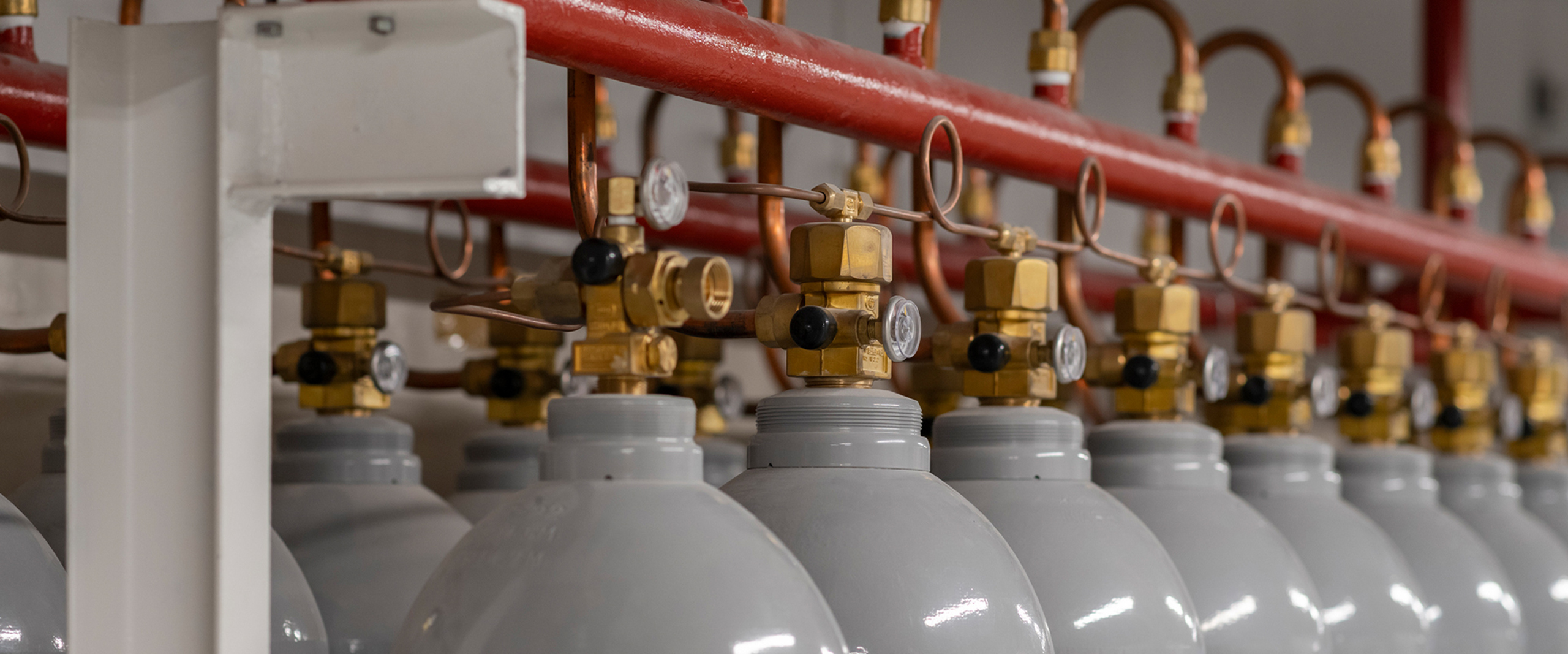
The diffusion of refrigerant gases has progressively increased in recent years due to the ever-increasing use of cooling systems. This type of gas unfortunately presents significant problems both in terms of safety of people , both for their impact on climate . In this article we will delve into some of the most dangerous refrigerants and the damage they can cause.
What are the most dangerous refrigerant gases?
We can divide the most common refrigerant gases into three categories, CFC , HCFC and HFCs , depending on the presence or absence of chlorine in their composition.
I chlorofluorocarbons (CFCs) and hydrochlorofluorocarbons (HCFCs) were among the first gases used in refrigeration systems, but starting from the 1990s they began to be replaced with hydrofluorocarbons (HFC) because, in addition to favor the greenhouse effect , had a very negative impact on the ozone .
HFCs , such as R404a, R410a, R32, are less harmful to the ozone , but they still remain highly dangerous gases for the climate, as they produce warming, which is measured by the index GWP (Global Warming Potential) , higher than that produced by CO2. Carbon dioxide, as a reference gas, has a GWP of 1. To give an example, R410a, still today among the most widespread gases in refrigeration systems, has a GWP of 2080.
GWP, what does it mean?
Before seeing the dangers linked to the most widely used refrigerant gases, let's spend a few words to better explain what is GWP (Global Warming Potential) .
GWP is an index that measures the impact of a greenhouse gas on the greenhouse effect in relation to carbon dioxide (CO2) , which has a reference GWP of 1. GWP expresses how much heat a gas can trap in the atmosphere over a certain period (usually 100 years) compared to CO2. The higher the GWP, the greater the contribution of the gas to global warming .
R744 gas
R744 gas, also known as carbon dioxide (CO2), is a natural refrigerant used in various refrigeration systems. Although it is less harmful to the environment than other refrigerant gases, and is not toxic, R744 can cause asphyxiation in closed environments at high concentrations. It is therefore essential to ensure good ventilation and the use of CO2 detectors to avoid accidents.
R410A gas
R410A is a synthetic refrigerant gas widely used in residential and commercial air conditioning systems. As we have already seen, this gas has a high GWP, making it harmful to the environment . Additionally, R410A may cause eye and respiratory irritation if inhaled .
R134A gas
R134A is an HFC refrigerant commonly used in automotive and commercial refrigeration systems. It has a relatively high GWP and may contribute to climate change. Exposure to any leaks can cause dizziness and headaches .
R32 gas
R32 is a refrigerant gas mainly used in air conditioning systems . It has a lower GWP than R410A, but is highly flammable . Therefore, it is important to handle R32 with care and ensure systems using it are properly installed and maintained.
R454B gas
R454B is a blend of refrigerants used as an alternative to R410A in air conditioning systems. It has a lower GWP and a reduced environmental impact . However, it is slightly flammable and requires precautions when handling.
Gas 407C
R407C is a blend of HFCs used in various air conditioning and refrigeration systems. It has a moderate GWP and may contribute to global warming. Exposure to high concentrations may cause asphyxia .
How to detect dangerous refrigerant gases?
The widespread diffusion of refrigerant gases, used in every sector, from civil to industrial, naturally raises the problem of constant monitoring so as not to be caught by surprise by possible gas leaks.
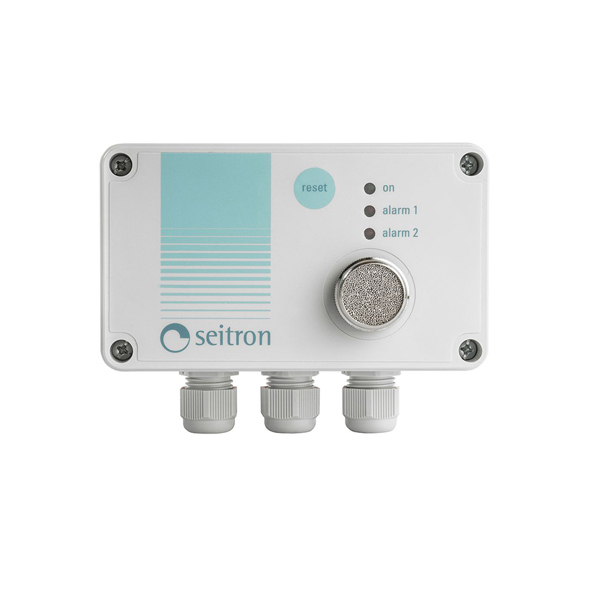
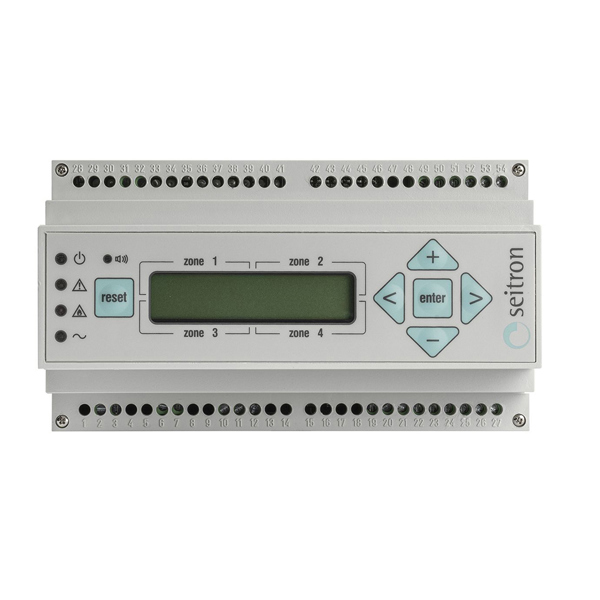
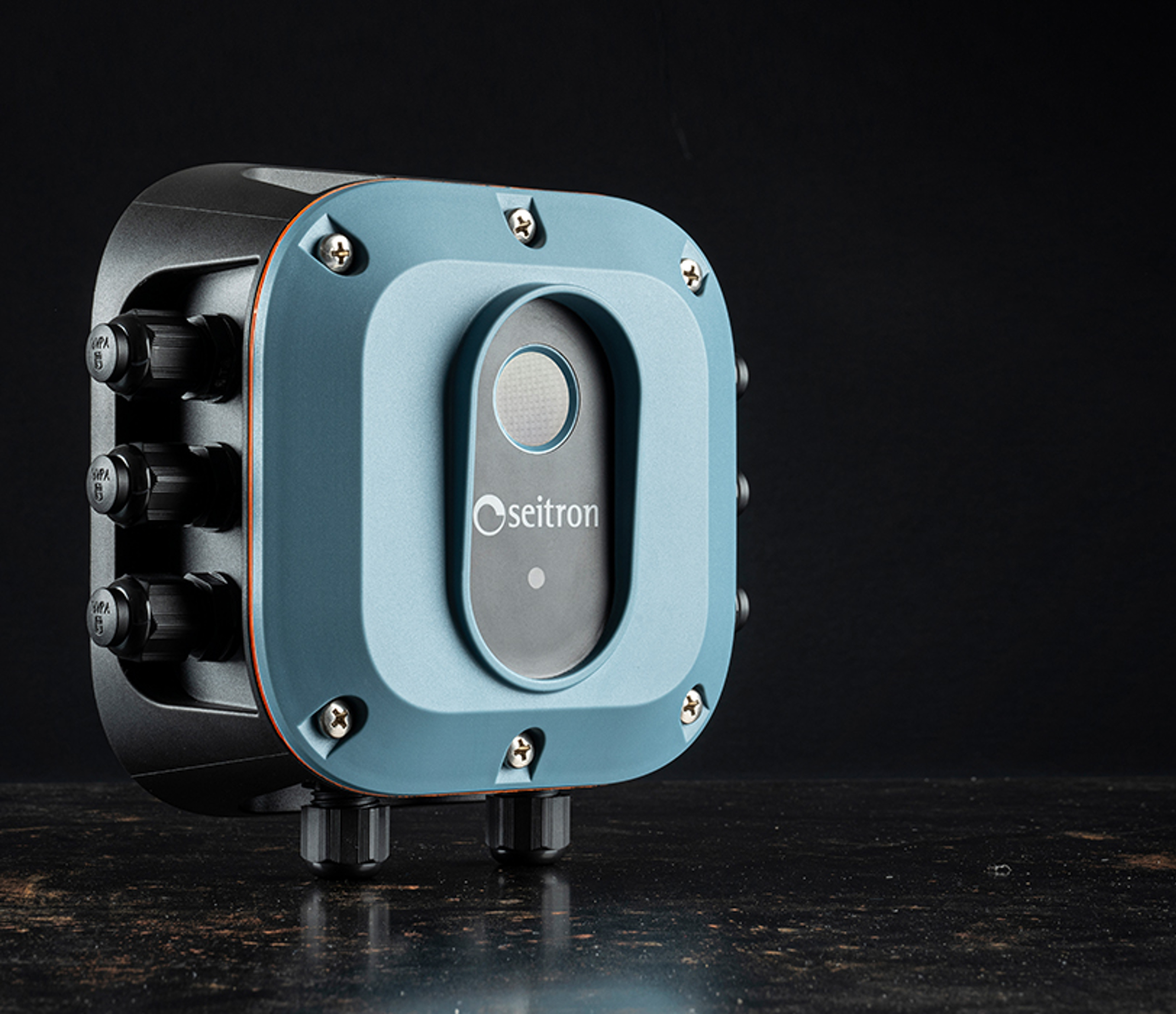
The use of portable or fixed gas detectors, such as the Be Cool R1 and the Cool Guardian by Seitron, is of fundamental importance for alerting operators, via audible and visual alarms, in the event of refrigerant leaks.
However, monitoring using detectors should not be thought of as a substitute for correct maintenance of the systems, which must always be carried out regularly to prevent potential losses .