Is the gas leak detector mandatory?
Security in your home is a priority for all of us. Among the various threats that can put our safety at risk, toxic and flammable gases represent a silent danger but potentially lethal. To prevent accidents and protect ourselves and our loved ones, installing a detector has become common practice. But is there a requirement for a gas leak detector ? In this article, we will explore the importance of these devices and the regulations associated with them.
The importance of a gas detector
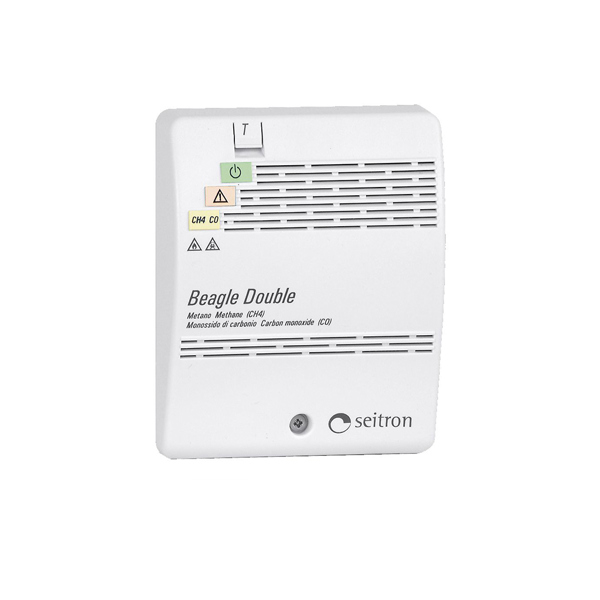
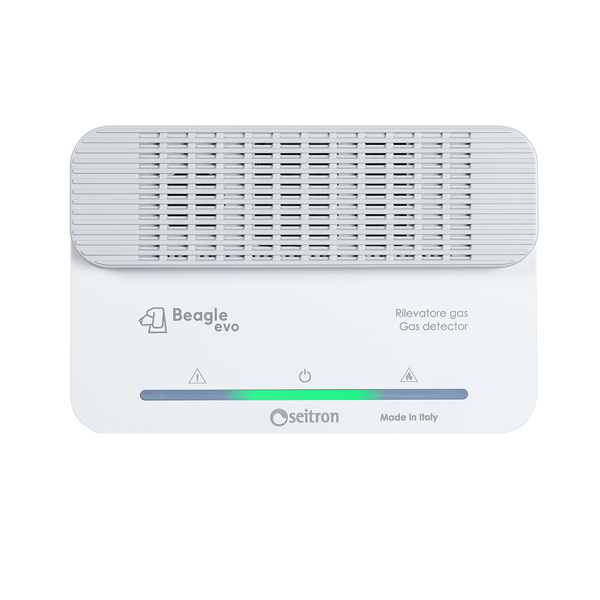
A gas detector is a device designed to detect the presence of gas in the air. It can identify both carbon monoxide than other flammable gases such as methane . The detector emits an audible and visual alarm when gas levels exceed a certain safety threshold.
A gas detector works as a first warning system , providing early warning in case of leaks. This allows you to take the right precautions, evacuate the building and call the emergency services. The gas detector is especially important at night or when you are away from home, as it can detect the presence of toxic gases even in the absence of visible signs or suspicious odors.

Gas leaks at home or in the kitchen: is the gas detector mandatory?
Regulations regarding the installation of gas detectors can vary from country to country and even locally. In many countries, however, laws have been introduced making the use of gas detectors mandatory in certain situations. What do the rules provide in Italy?
To date, the gas detector inside your home is not required by law . According to Ministerial Decree 37/2008, the qualified installation technician must issue the declaration of conformity of the gas system , specifying the material and equipment used, making particular mention of the pipes. Once the suitability of the system has been ensured, it is also true that the gas commonly used in the home is odorless by nature and is therefore subjected to an odorisation process by the distribution companies so that the user can immediately notice any leak.
Gas detector for tourist rentals or short-term rentals: is it mandatory?
Things change with residential properties intended for rental for tourism or to short-term rentals .
In this case we must refer to the Legislative Decree of 18 October 2023 n. 145 which came into force with the law of 15 December 2023 n. 191 ( Official Gazette ) which deals with the "Discipline of rentals for tourist purposes, short-term rentals, tourist-accommodation activities and the national identification code".
The law provides the obligation to install combustible gas detectors (e.g. methane and LPG ) and carbon monoxide in real estate units for residential use intended for rental contracts for tourist purposes and for those intended for short-term rentals . These devices must be equipped with acoustic and visual signaling mechanisms that are activated in the event of the presence of gas potentially harmful to tenants.
When is the gas solenoid valve mandatory?
Often the gas detector is coupled with the gas solenoid valve. But when is the latter mandatory? The Ministerial Decree 12/04/96 concerning "the Approval of the fire prevention technical rule for the design, construction and operation of heating systems powered by gaseous fuels" applies to newly built systems and prescribes the obligation to install the gas solenoid valve in systems with:
- Thermal capacity greater than 35 kW
- Gaseous fuels
- Max. gas pressure 0.5 bar
If the floor area of the gas system allocation space is at a height between -5.0 and -10 m compared to the reference plane, the solenoid valve is mandatory. In this case, the Normally Closed type solenoid valve must be installed outside the room on the gas supply pipe.
Where to install the gas detector?
In private homes the detector must be installed near the points where there is a possibility of a gas leak and goes chosen based on the type of gas to be detected.
For example, if there are stoves, water heaters or fireplaces in the house, the installation of a carbon monoxide detector , an odorless, colorless and tasteless gas, known as the silent killer. To learn more about the risks associated with monoxide, you can read our article: Effects of carbon monoxide: prevention and risks .
In kitchens, where methane is usually used, it is recommended to install the appropriate detector about 30 cm from the ceiling, in a point away from the vapors of the fires, to avoid interference. For further information where the methane gas detector should be positioned , you can read: Installation of methane gas detector: the guide .
Although methane is subjected to an odorization process, to allow people to perceive its possible escape, this reasoning only applies in contexts monitored 24/7. At night or when you are away from home, the presence of harmful substances is almost impossible to detect. It goes without saying that the gas detector is the best safety solution for the whole family, for your home and for the safety of others.
To learn more about what needs to be taken into consideration in choosing a gas detector , we refer you to our article: Gas detector: how to choose it .
Gas leak detector: a responsible choice
Despite in Italy it is not mandatory to install a gas detector , deciding to put one in your home is a responsible action to protect home safety. Toxic and flammable gases can pose a serious and silent threat, but thanks to these devices we can receive an early warning of potentially dangerous gas leaks.