How to save on heating: our 7 tips
With the arrival of the first cold weather, a recurring nightmare also arises: "How much will I spend on heating this year?". Unless you live in a house with energy class A, in fact, the worry about the bill is a constant in winter. Let's see together some tips for save on heating !
1. Decrease the temperature
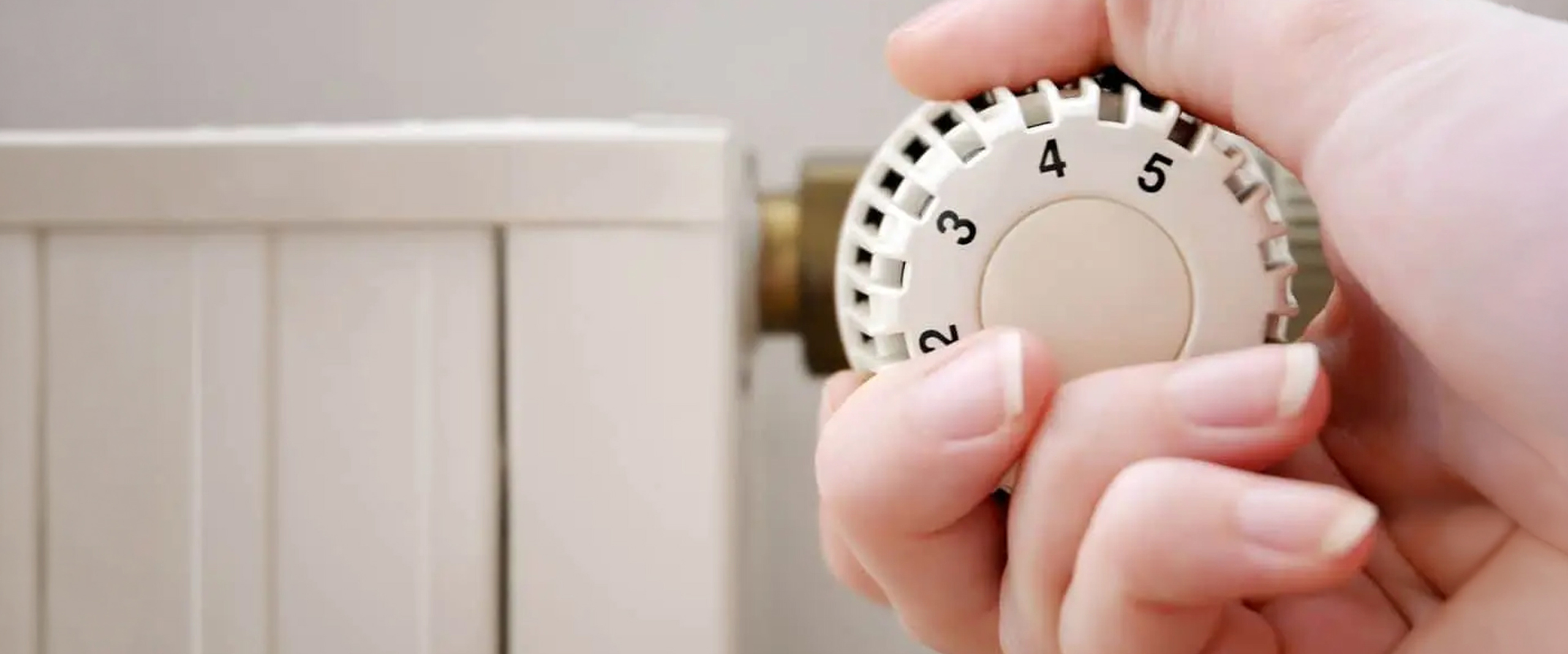
A really obvious tip! It's true, but very often we keep temperatures at home excessively high. The WHO advice is do not exceed 21° , we derive multiple benefits from it, for health, for the environment, for costs! Let's keep in mind that lowering the temperature by even just one degree can lead to a reduction in the bill of up to 7%.
2. Maintain the system
The boiler overhaul should not be seen only as a legal obligation, but as a fundamental practice to keep the system efficient. The periodic check in fact serves to verify that the combustion process occurs without "waste" and that therefore the energy obtained is maximum.
3. Use the chronothermostat
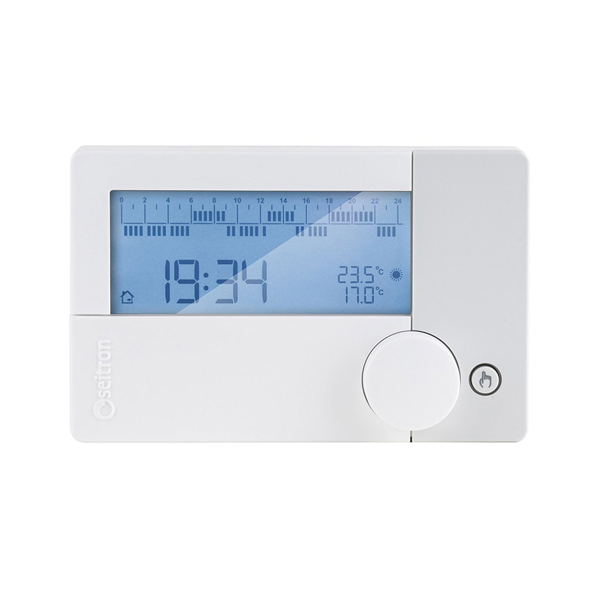
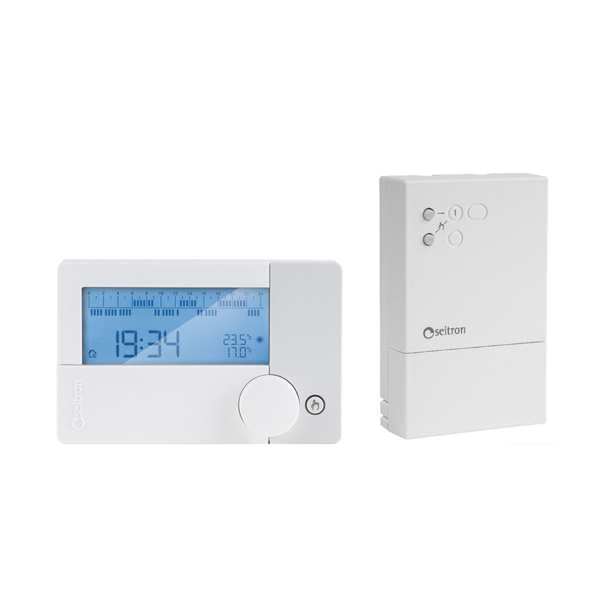
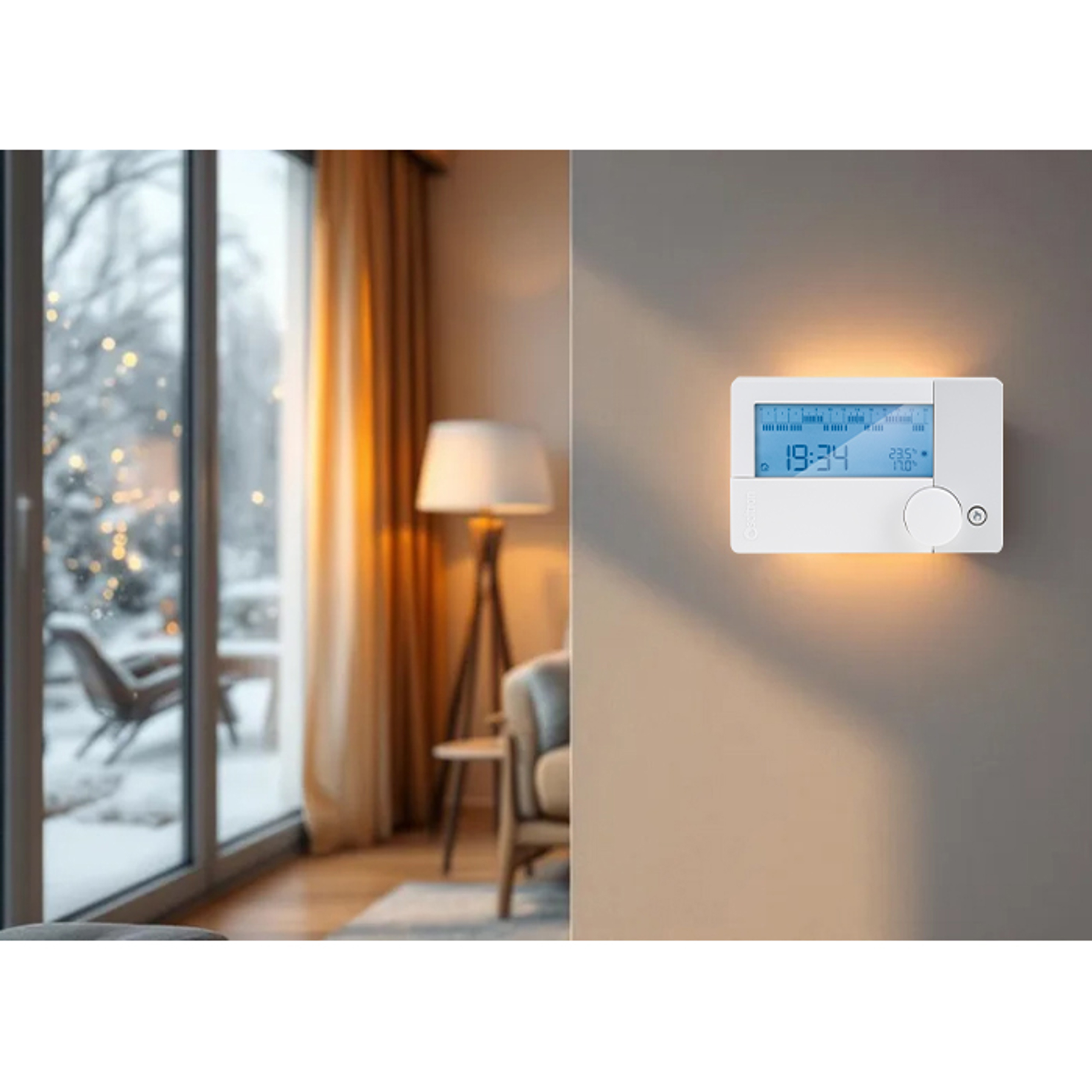
Compared to the simple thermostat, the possibility offered by the chronothermostat to set the comfort and reduction temperature and program the heating on and off, allows a reduction in bill costs, but also a reduction in emissions, with an advantage for the environment. If you're not sure what a chronothermostat is, you can learn more about the topic on our dedicated post!
4. Reflect heat
Installing reflective panels between the radiator and the wall are very useful for reducing heat dispersion towards the outside.
5. Do not cover radiators
How many times do we put the towel to dry on the radiators? It happens often. Covering radiators unfortunately decreases their ability to radiate heat, so it should be avoided.
6. Make use of the sun
It's important to take advantage of the time of day when our home is exposed to the sun, so let's not forget to keep balconies and curtains open during those hours!
7. Increase the energy efficiency of the home
While the recommendations seen so far are low to no cost, the work for the energy requalification can be quite expensive. These range from the installation of condensing boilers, up to the construction of the external coat, changing the fixtures, etc. Naturally, these interventions can be carried out in steps depending on our economic capabilities, but there is no doubt that these costs will then be amortized over time thanks to the considerable savings in energy consumption.