Pollution in cities: causes and most polluting sectors
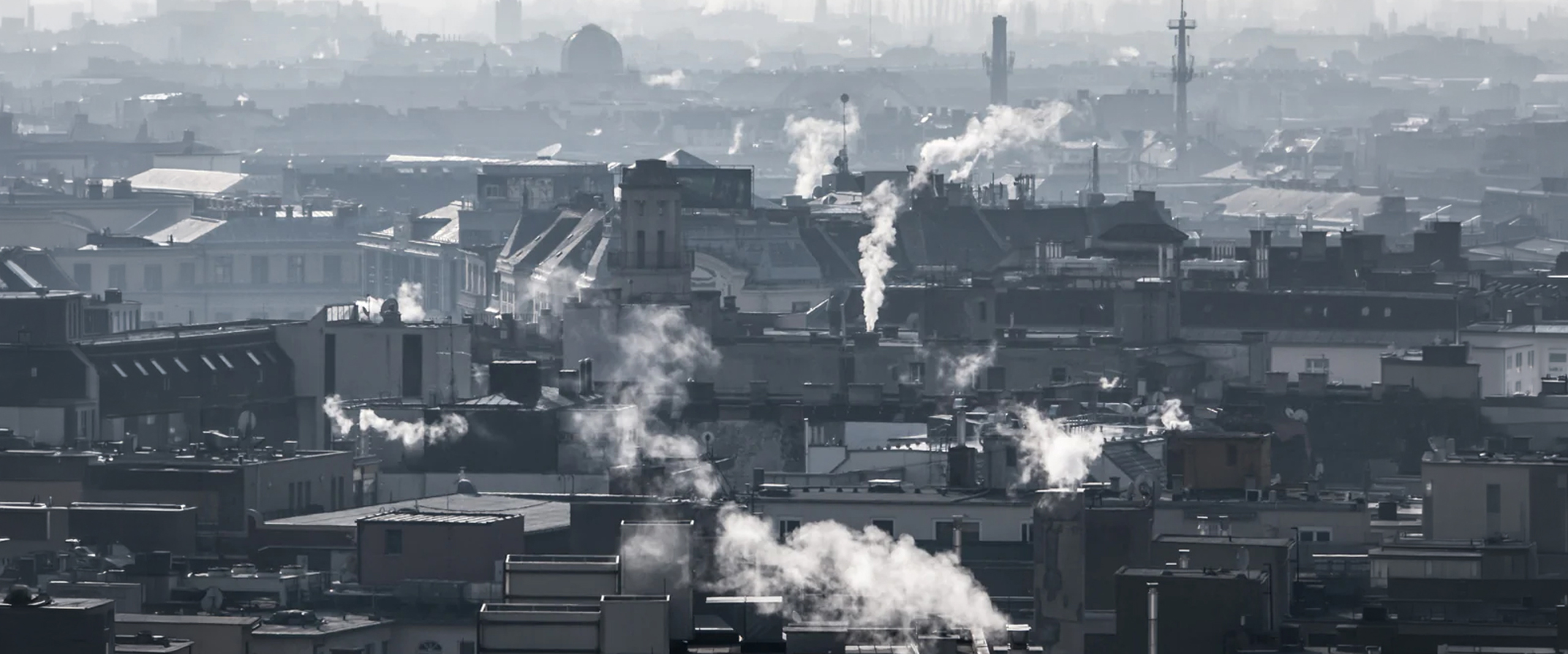
After examining the concept of carbon footprint , we move on to delve deeper into the composition of pollution in the city , analyzing the types of pollutants present in the air we breathe every day and the sources of emissions.
Smog, why it is a problem and how it is made up
The historical series show a decrease in greenhouse gas emissions in Italy from 1990 to 2017 of 67%, but this is still not enough, if you consider that every year there are in the world approximately 9 million premature deaths (16% of global deaths) due to pollution.
In particular for Italy , the European Environment Agency estimated that in 2015 60,200 premature deaths could be attributable to long-term exposure to PM2.5, 20,500 to NO2 and 3,200 to O3.
In this sense, the most dangerous pollutants present in the air of our cities are: atmospheric particulate matter (PM10 and PM2.5), nitrogen oxides (in particular NO2), ozone (O3), sulfur oxides (SOx), nitrates (NHx) and non-methane volatile organic compounds.
What are the most polluting sectors?
Let's see together which sectors contribute most to air pollution.
1. Transport and mobility
Transport is among the main causes of primary and secondary PM10 and nitrogen oxides. Despite the presence of highly polluting cars (euro 0 and 2) decreasing every year, private road transport remains one of the main sources of pollution, especially in large cities.
During the 2020 lockdown it was observed a drop in primary PM10 due to traffic of 20% and a drop in NO2 between 40% and 60% . Overall, however, the decrease was not sufficient to limit the exceeding of the legal limits as, on the one hand, the damage had already been done given that peak emissions occur in the winter months , on the other hand it must be taken into account that the main source of primary PM10 is domestic heating , which was still on in March and to this is added a further consideration regarding secondary formation dust which is also linked to agriculture, as we will see shortly.
However, this does not exonerate transport as a source of pollution as it contributes approximately 20% of primary PM10 and is an important source of NOx (approximately 66%), which contributes to the formation of secondary PM10 (which can account for more than 50% of the total PM10).
2. Home heating
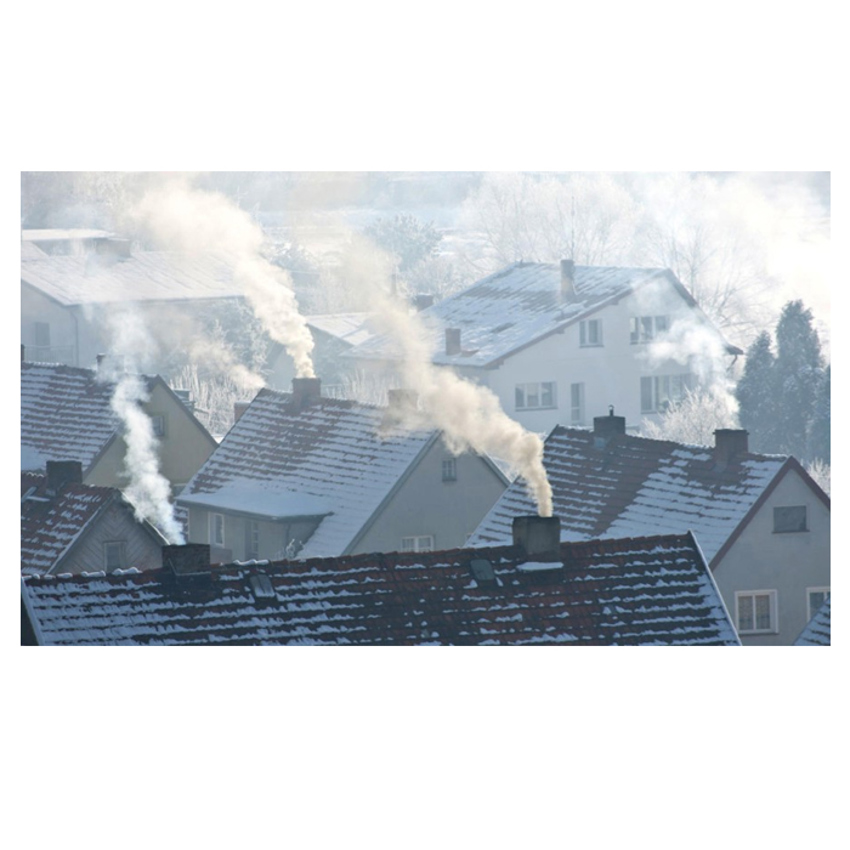
The general reduction in PM10 emissions recorded between 2005 and 2015 unfortunately did not concern domestic heating , where instead an increase was detected due on the one hand to the increase in the use of woody biomass, on the other to the lack of technological adaptation towards more efficient systems, such as condensing boilers or heat pumps. In fact, while numerous incentives have been put in place for the replacement of the car fleet, the same has not been done in the field of civil heating, where action has only begun in recent years.
The result is that in the period of time under examination the contribution to primary PM10 from transport has halved, making domestic heating the main source.
We will return to addressing the issue of warming in the next in-depth study to see how we can contribute to reducing emissions through greater awareness.
3. Industry
Although it may seem counter-intuitive to us, the industrial sector is actually the one that has reduced emissions the most over the years. This is due to a series of contributing causes, including delocalisation, automation, the closure of old plants, but also the increasingly stringent regulations on emissions which have pushed choices to increase energy efficiency and reduce harmful emissions.
In some sectors, however, such as chemistry, energy production and steel industry, this process encounters obstacles and slowdowns especially due to the high costs to be incurred, which makes some cities that have historically been home to large metallurgical or chemical hubs particularly compromised in terms of industrial pollution.
4. Agriculture
Although one might think that agriculture cannot affect the pollution of cities, in reality the majority of industrial farms and crops are found in densely populated areas , such as the Po Valley.
The main pollutant emitted by agriculture, 86% of total emissions , is ammonia (NH3), whose emissions, despite having reduced by 17% between 2005 and 2015, are in doubt as to whether they will be able to reach the target set by Europe for 2030.
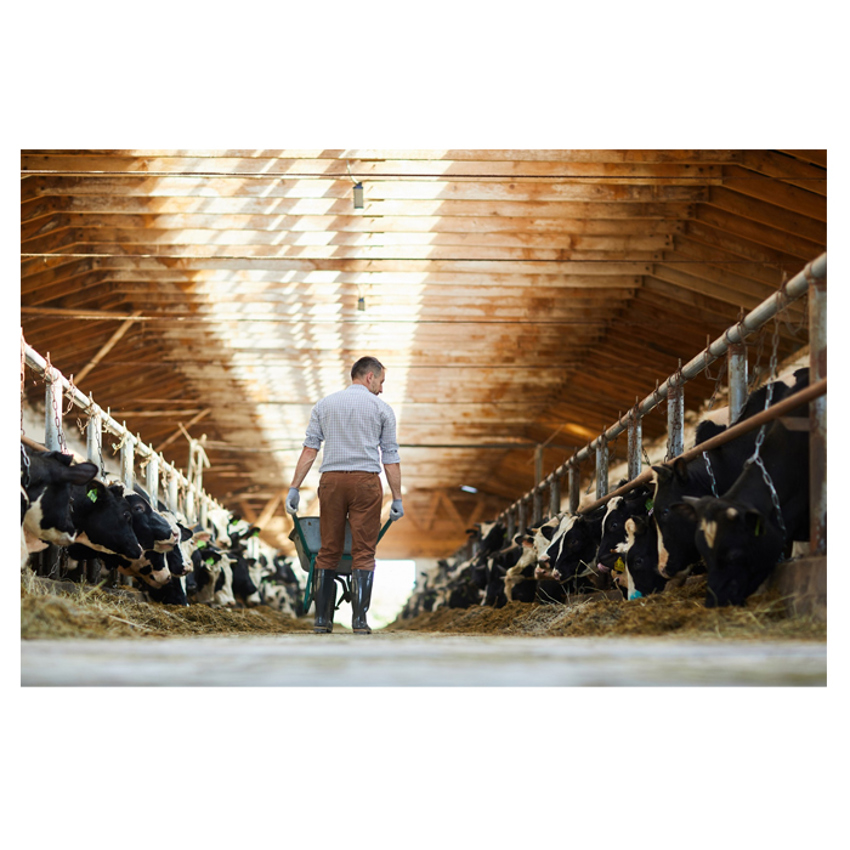
It should be emphasized that ammonia is among the precursors of secondary PM10 , which as we have seen can contribute more than 50% to the total composition of PM10. Therefore, even if detached from the urban sector, aerosols and particulates generated by the volatilization of fertilizers and animal waste immediately flow into urban centers.
What to do against pollution in cities
Beyond the energy and environmental policies launched by governments, we too can immediately contribute to reducing emissions, in particular in two sectors, transport and domestic heating. We will focus on the latter in the next article, therefore we conclude with some considerations on the choices we can make in terms of mobility.
According to ISFORT report on the mobility of Italians 76.4% of movements (year 2017) are less than 10 km .
Private transport in Paris represents 18% of the total, in Milan, which is the best Italian city from this point of view, the percentage is 50%.
A fact that should make us reflect especially if we consider that we travel less than 10 km, a sufficient reason to choose other means such as the bicycle. These considerations acquire even more importance today following the Covid19 pandemic and the revaluation of a " 15 minute city ", with all the fundamental services within reach.