Energy and emissions balance of the sugar factory
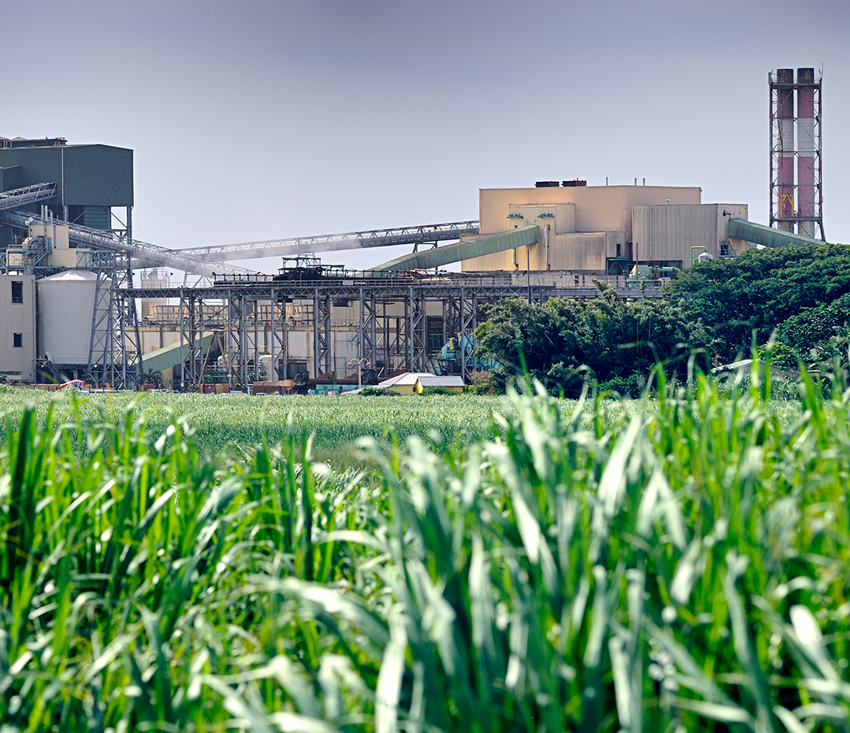
The ever-increasing cost of fossil fuels has driven demand for alternative energy sources. For this reason many sugar factories have equipped themselves with cogenerators powered by the steam produced by the combustion of the bagasse, thus managing to resell the surplus energy produced.
The cogeneration plant places the optimization of the combustion process at the center of attention for two fundamental reasons .
On the one hand that ecological , biomass is a renewable source of energy and it is therefore essential to minimize harmful emissions for the sustainable exploitation of these resources.
On the other hand we have the appearance economical , an optimized process leads to the production of more steam and therefore more energy.
This result can only be achieved if all the equipment used in the cogeneration process is subjected to frequent monitoring of emissions through the use of combustion analyzers , to detect drops in the efficiency of the system in real time.
In fact, the use of an analyzer to measure the levels of O2, CO and CxHy emitted during the combustion of bagasse allows you to immediately understand whether the latter occurs in an efficient and clean manner .
Alongside this monitoring there is naturally the mandatory monitoring of emissions which serves to ensure compliance with current regulations to minimize risks to health and the environment. In this case the gases to be measured are CO2, SO2 and NOx .
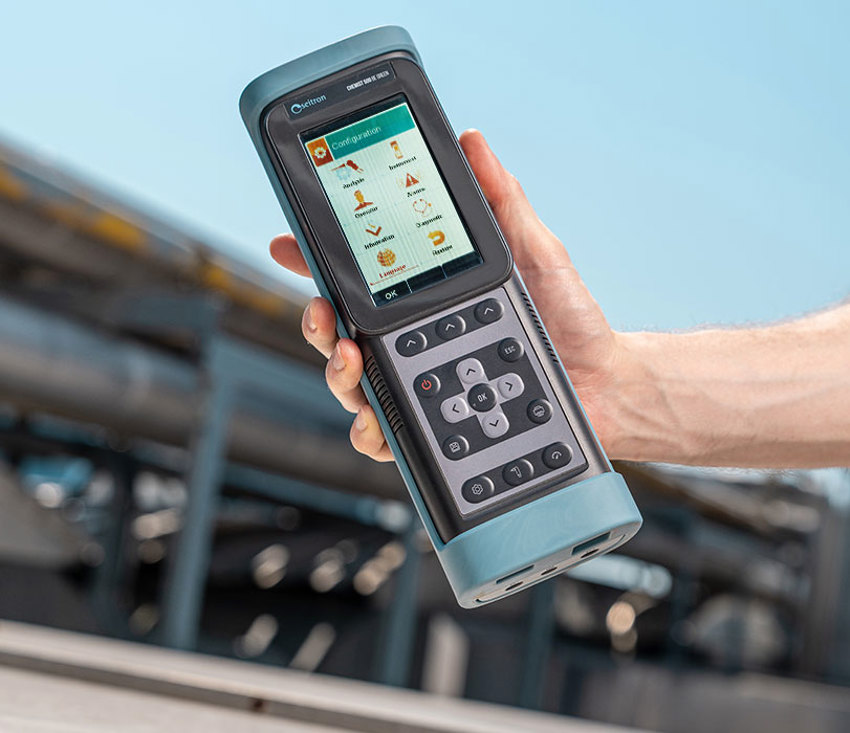
The solution proposed by Seitron is the use of the portable combustion analyzer Chemist 600 and Chemist 600 Be Green , in addition to the continuous analyzer Chemist 900 Rack . The analyzers can be configured to monitor O2, high and low range CO, CO2, SO2, NO, NO2, CxHy and NOx.